‘Apapa Port Congested, It takes 1-week to Position Container for Examination’—-Dr Aniebonam
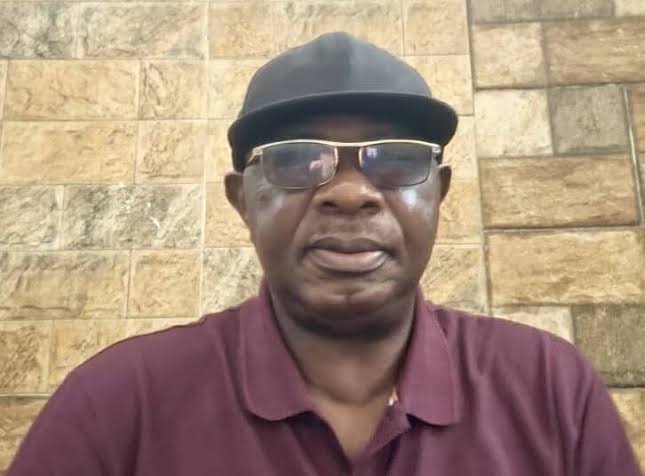
Dr Boniface Aniebonam

Dr Boniface Aniebonam is the Founder of the National Association of Government Approved Freight Forwarders (NAGAFF) he is also the founder of the New Nigeria People’s Party (NNPP) . In an interview with our correspondent last week, Dr Aniebonam gave reasons for the recent advocacy of NAGAFF and its visit to bonded terminals. He also said that bonded terminals are still relevant in port business today because port terminals, especially ones in Apapa, are facing congestion.
Traffic is building up again in Apapa, especially around Tin Can and Mile 2 axis, what should we do before it becomes another round of crisis.
Some of these things is all about leadership, it entails a lot, the traffic situation is known to the authorities, but what are they doing about it? This is why I get angry when people kept blaming President Tinubu’s administration, the President has dedicated powers to his subordinates and retains residual powers. The point here is that, politics has taken over what should naturally not be politicised, we are talking about gateway to the ports.
Throughout this week, i experienced the traffic, sometimes from Berger bus stop, and when you get passed the Tin Can Port entry point, the road becomes free again. By now, the authorities in charge must have know what is going on by now, dont forget that the DSS which is the intelligence unit, are inside the ports, I expect them to have written to the government on it, these are human element problems because the road is smooth and good, it is just traffic management.
On ETO call-up system, I think there is politics going on there, but the MD of NPA is a discerning mind and I know he would take a good decision on it. Those who managed ETO Call-up system before now, did a great job, even if there are lapses here and there, they would improve on it and get it right, this is better than setting up a new system in order to favour someone else. The forces are many, but I am a student of taking a wrong decision instead of taking no decision at all, especially on matters of public interest.
I don’t think we should be comfortable with our bridges serving as a stacking area for trucks, the bridges were not built for such conditions, it is a bridge that cargo should be moving and not static.
Before now, weigh bridges were part of port infrastructure, a lorry that is supposed to load 30tonnes should not be seen carrying 70tonnes, this is why our roads are being destroyed due to overweight, if we are not careful, these bridges would go down, and if that happens, you can imagine the consequences.
What is your purpose of visiting bonded terminals?
We have visited some bonded terminals, and we are still going to visit others throughout the Federation, at the end of the day, we are going to write our report.
Remember that we wrote the report on the need for deep seaports in 1999 when I founded NAGAFF. See how long it took Nigeria now to start thinking about establishment of deep seaports? That’s government for you.
Do we still need these bonded warehouses?
Bonded terminal establishment was an intervention to port congestion, I can tell you right now that Apapa port is congested, those who move cargoes from Apapa would tell you, when you book cargo for examination, they cannot put it down immediately, they would give you up to one week, and this is telling on the economy of the country because you would still have to be paying demurrages.
So, as far as I am concerned, the bonded terminals are needed, you have to look at the general interest of creating employment opportunities.
The essence of NAGAFF’s visit to bonded terminals is to look at those who have capacity to go into cargo operations.
As it is, some of the bonded terminals are waterlogged, to the extent that they cause damages to laden containers, and this would be a loss to importers. Sometimes, before you can address the issue in terms of damages, the matter gets to the courts, litigation and so on.
NAGAFF is directly affected, and that is why we are doing this.
If at the end of the day we write our reports, it is left for the government to take their decisions, for instance, the agency licensing the bonded terminals is customs, we would send the reports to them and to other higher authorities who would ask the customs and the Nigerian Ports Authority some questions.
One of the places we went recently, we saw that they have what it takes to run the business, they have space and they have trucks. What is commonly referred to as flying of containers cannot happen there because it is their trucks that would go to the port to pick up the containers, and these trucks are being tracked with trackers. They have the capacity of handling 5,000 container, they all the required equipment, the automation is there, this should be a standard for other operators.
By the time we are done with our report, I know politics would come into it, and it would take government a while, but they would surely react and send their intelligence officers to go and confirm.