Maritime and International Trade Expert Applauds Customs CG’s Trade Facilitation Initiative in South East

International trade consultant and publisher of Business & Maritime West Africa, Mr Okey Ibeke

Trade facilitation reforms introduced by the Nigeria Customs Service (NCS) under Comptroller-General Bashir Adewale Adeniyi are beginning to reshape commercial activities in the South East, with the activation of Onitsha River Port and the expansion of bonded terminals across the region significantly reducing logistics bottlenecks for importers and manufacturers, international trade expert, Mr. Okey Ibeke has said.
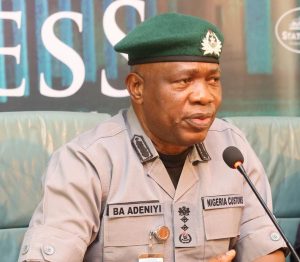
Ibeke, in a detailed assessment of Customs’ reform agenda, said Adeniyi’s administration since June 2023 has pursued deliberate policies aimed at repositioning the Service from a traditional revenue-collection agency to a broader trade-facilitation institution aligned with President Bola Ahmed Tinubu’s Renewed Hope Agenda.
He noted that the Customs boss’ strategy, anchored on consolidation, collaboration, and innovation, has not only boosted revenue and anti-smuggling operations but has also focused on dismantling barriers that previously constrained legitimate commerce, especially in Nigeria’s commercial hinterlands.
According to the international trade consultant and publisher of Business & Maritime West Africa, South East traders and manufacturers—particularly in Aba, Nnewi, Onitsha, Enugu, Ebonyi, and Imo—have historically suffered high costs and long delays because imports had to be cleared in Lagos or Port Harcourt before enduring difficult road transportation to their final destinations.
He explained that the operational activation of Onitsha River Port as a Customs cargo destination is changing that narrative by allowing containers and bulk cargo to move through River Niger directly to Anambra State.
“By granting operational licenses, posting officers, and enabling full Customs procedures at Onitsha, the NCS has shortened supply chains for South East businesses, reduced demurrage, and lowered the risks associated with long-haul trucking,” he said.
He added that manufacturers in Nnewi, traders in Onitsha Main Market, and industrial operators in Aba now have improved access to cargo closer to their commercial bases, reducing logistics costs and accelerating turnaround time.
Ibeke further stated that the river port initiative is being reinforced by Customs’ aggressive licensing of bonded warehouses and inland terminals across Abia, Anambra, Enugu, Ebonyi, and Imo states.
He described bonded terminals as Customs-approved facilities where imported goods can be transferred, stored, and cleared closer to their markets, thereby decongesting seaports and domesticating compliance.
“The policy logic is clear: decongest the seaports, reduce costs, improve compliance, and physically relocate cargo clearance to where goods are actually sold or used,” Ibeke said.
He pointed out that the reforms are already creating economic advantages for key industrial and commercial clusters in the region, including Aba’s garment and leather hubs, Nnewi’s auto manufacturing base, and Onitsha’s major trading networks.
According to him, the reforms are also generating multiplier effects through job creation in banking, logistics, hospitality, insurance freight services and other businesses around the emerging inland trade corridors.
Ibeke said the policy could further support exports by enabling agro-processors and manufacturers in the South East to consolidate cargo through bonded terminals and utilize inland waterways for shipment to coastal ports.
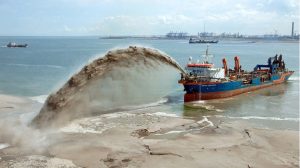
While commending Adeniyi for pursuing ease of doing business and decentralizing trade infrastructure, he noted that challenges such as inadequate dredging of the River Niger, limited barge capacity, and poor road connectivity around Onitsha must be addressed for sustained success.
He, therefore, called for stronger coordination among the Nigerian Inland Waterways Authority, Nigerian Ports Authority, and state governments to maximize the benefits of the initiative.
“Trade facilitation is not just about digitization, it is about removing physical and structural bottlenecks that increase the cost of commerce,” Ibeke stated.

He maintained that by activating Onitsha River Port and expanding bonded terminals, CG Adeniyi’s Nigeria Customs Service is repositioning the South East from a logistics afterthought into an active node within Nigeria’s trade architecture, creating business opportunities and supporting broader national economic growth.