NPA Port Manager, Lawal, Leads Maritime Writes Project Participants On Apapa Port Tour
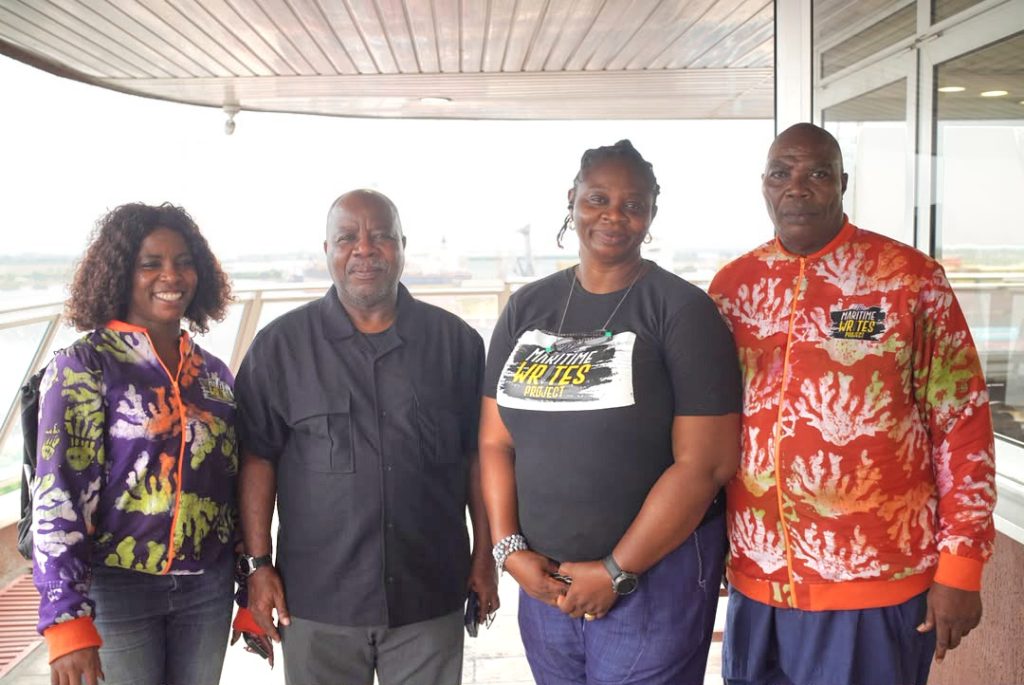

—-As NNS Centenary Visit Caps Maritime Writes Bootcamp
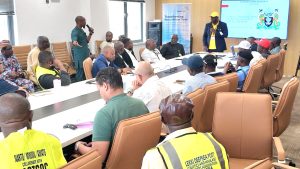
The 2026 Maritime Writes Project (MWP) Creative Writing Bootcamp took participants beyond the classroom on Days 2, 3 and 4, immersing them in different aspects of Nigeria’s maritime ecosystem – Naval Dockyard for ship-building and repairs, commercial port operations at Apapa Port and naval activities aboard the Nigerian Navy Ship (NNS) Centenary.
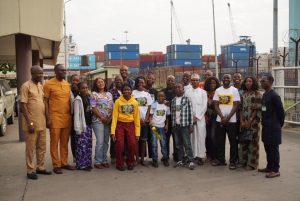
The experiential visits form part of MWP’s distinctive approach to maritime storytelling, exposing writers to the people, infrastructure, processes and realities behind an industry they are expected to document.
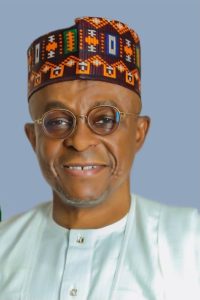
At the Lagos Ports Complex of the Nigerian Ports Authority (NPA), the Port Manager, Mr. Debo Lawal, personally led the participants on a tour of Apapa Port, providing context to the operations and activities they encountered within the complex.
The visit gave the writers an opportunity to connect lessons from the bootcamp with the realities of port operations. Rather than writing about ships, cargo, terminals and seafarers from a distance, they experienced the environment in which Nigeria’s maritime trade takes place and observed the workforce and infrastructure that keep the gateway moving.
The exposure reinforced one of the core objectives of equipping writers with sufficient maritime knowledge and first-hand experience to produce authentic stories about a sector that remains unfamiliar to many Nigerians.
The 2026 bootcamp, themed “Voyages Through Chokepoints: Power, Passage and Life at Sea,” challenged participants to look beyond conventional maritime narratives and explore the connections between global trade, economic power, human movement, communities and the waterways that link them.
The Apapa tour also provided a practical backdrop to Lawal’s earlier call at the bootcamp’s opening for writers to portray the maritime sector as an industry capable of accommodating diverse talents and career paths, including the growing participation of women in operational and technical roles.
On Day 4, the writers experienced another dimension of the maritime environment aboard NNS Centenary, transitioning from a commercial port setting to a naval platform.
The visit broadened their understanding of the responsibilities associated with Nigeria’s waters, exposing them to the operational environment of the Nigerian Navy and the role of naval assets in maritime security, surveillance and the protection of Nigeria’s territorial and economic interests.
While Apapa Port offered a close look at the commercial machinery supporting trade and cargo movement, NNS Centenary provided a perspective on the security architecture required to safeguard the maritime domain, and the Dockyard experience showcased the nation’s ship-building capabilities. Together, the experiences demonstrated that Nigeria’s maritime story extends from cargo handling and international trade, ship-building and repairs to national security and the protection of maritime interests.
The practical exposure was complemented by classroom sessions designed to deepen the writers’ understanding of the sector. These included: “Maritime Language, Culture and Storytelling Across Borders: The Blue Economy as a Multicultural Space” by Madam Ifeoma Nwagbogu; “Ship Identity: The Untold Stories Behind Flags, Ship Registration and National Maritime Pride” by Mrs. Nneka Obianyor, Director, Reforms Coordination and Blue Economy, NIMASA; “Harbour Operations: The Protocols and Human Stories Behind Every Voyage” by Capt. Marvin Omovbude; among others.
Another key session, “Securing Port-to-Port Trade Routes with Technology: The Tantita Experience,” was delivered by Capt. Warredi Enisuoh, Executive Director, Operations and Technical, Tantita Security Services Nigeria Limited.
The sessions provided the technical and human context needed for participants to interpret what they encountered during their field visits and translate those experiences into compelling narratives.
Project Coordinator, Ezinne Azunna, had explained that MWP was created to bridge creative writing and maritime awareness by exposing young writers to maritime professionals, facilities and communities.
For the participants, the challenge now is to transform those experiences into stories that capture not only the machinery and movement of Nigeria’s maritime sector, but also the people, ambitions, risks and opportunities that give life to the country’s maritime story.