
Maersk Passes $500m Monthly Fuel Costs to Customers as 800 Ships, 20,000 Seafarers Remain Trapped in Hormuz
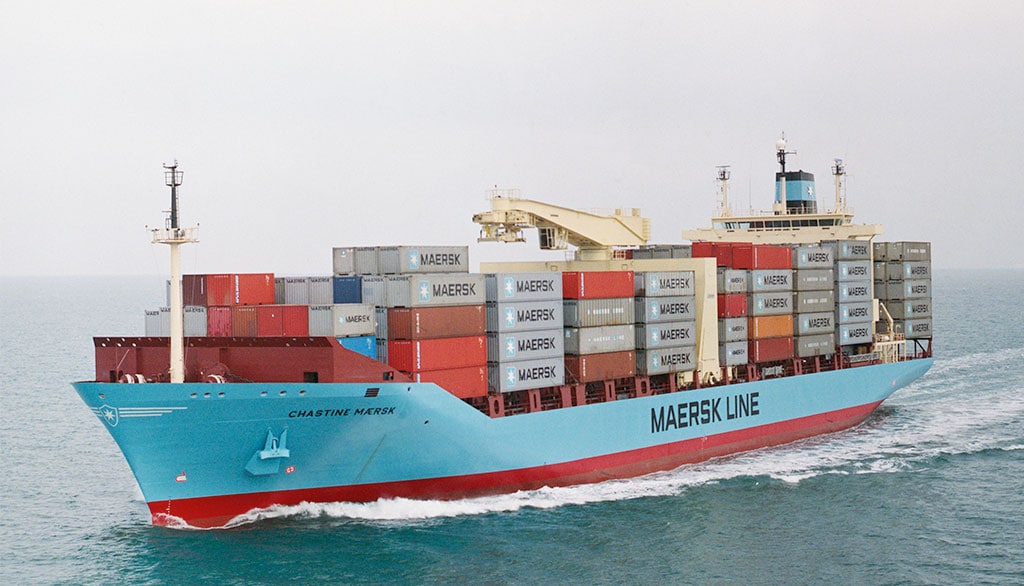

The chief executive of Danish shipping giant Maersk has warned that the reopening of the Strait of Hormuz would have a limited impact on cargo flows, even as the industry wrestles with a sharp surge in energy costs triggered by the prolonged closure of the vital waterway.
Vincent Clerc said Maersk’s fuel bill had nearly doubled since the conflict began, adding as much as $500 million in extra costs per month, a burden the company has passed on to customers through higher freight rates.
“The reopening of the strait of Hormuz, whether it happens in the days to come or the months to come, will have limited impact on cargo flows,” Clerc told BBC News.
The strait, through which a fifth of the world’s oil and gas normally passes, has been effectively shut since late February, driving the spike in energy prices. More than 800 vessels and roughly 20,000 crew members remain stranded west of the narrow waterway.
This week, Maersk disclosed that one of its US-flagged ships, the Alliance Fairfax operated by its subsidiary Farrell Lines had exited the strait without incident, escorted by the US military.
The closure has drawn fresh attention following remarks by US President Donald Trump, who wrote on social media that “assuming Iran agrees to give what has been agreed to… the already legendary Epic Fury will be at an end, and the highly effective Blockade will allow the Hormuz Strait to be OPEN TO ALL, including Iran.”
Despite that signal, shipping executives remain cautious. Even if the strait reopens, the industry could continue to face elevated fuel costs and lingering safety concerns around Gulf navigation.
Clerc acknowledged the immediate financial pressure but said the company had responded effectively.
“What really are the most important factors to consider is first, our ability to mitigate the cost increases we have been suddenly faced with. So far, we have been successful with both our cost measures and the commercial measures that we have put in place to mitigate the impact of these increases to our financials,” he said.
He cautioned, however, that the “secondary effect” could be higher inflation and weaker consumer demand conditions that “could create a softened market environment in the second half of the year.”