Customs’ AEO Scheme Hits 8-Hour Cargo Clearance Milestone

The Authorised Economic Operator (AEO) scheme has emerged as the primary engine driving cargo clearance times down from an average of 156 hours to 43 hours across Nigerian ports, with top-tier compliant importers achieving release times as fast as eight hours.
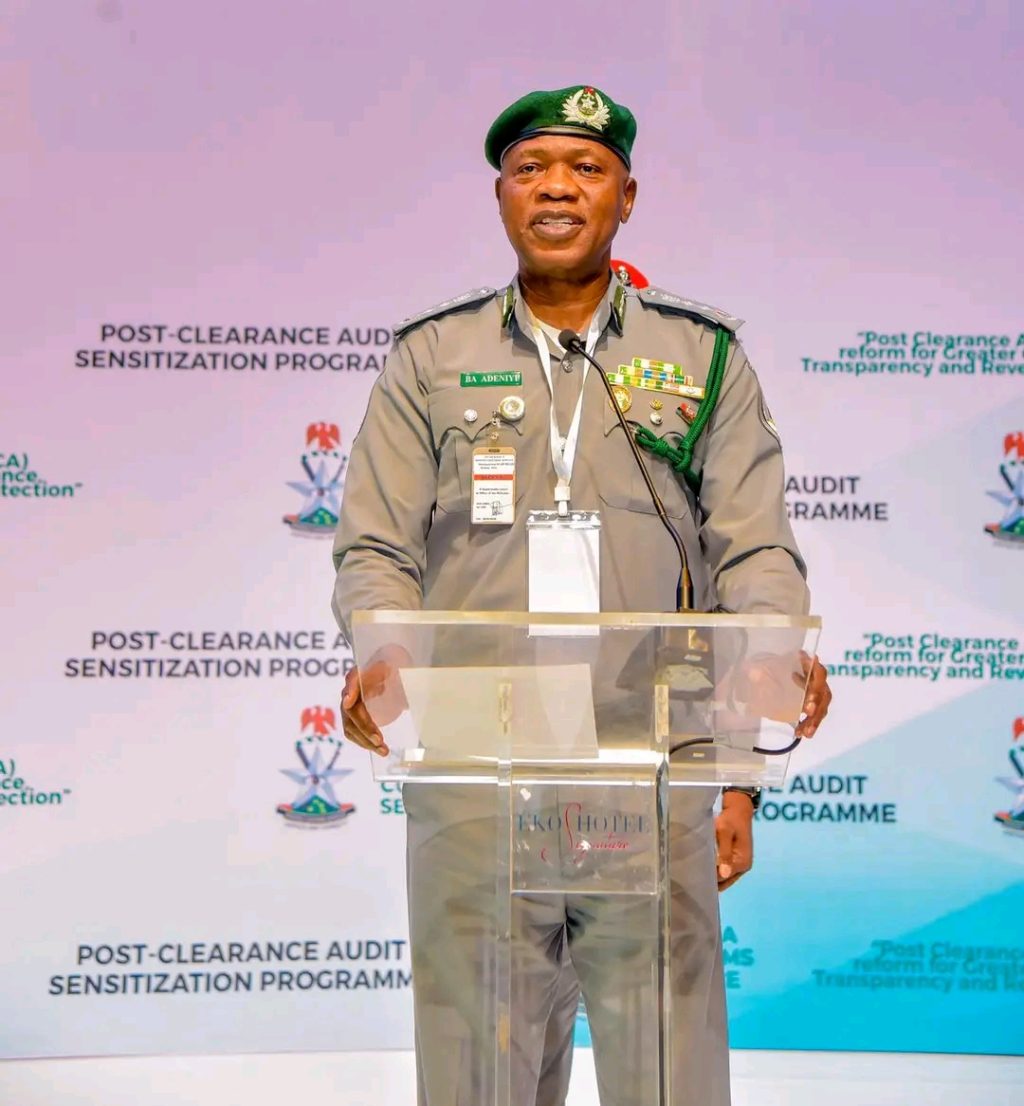
Speaking at a Post-Clearance Audit (PCA) sensitisation exercise in Lagos on Thursday, 10 September 2026, the Comptroller-General of Customs, Adewale Adeniyi, revealed that 247 companies have been admitted into the AEO modernisation framework since its inception.
The initiative forms a core component of President Bola Tinubu’s strategy to reduce the cost of doing business, eliminate port bottlenecks, and boost non-oil revenue generation.
Adeniyi emphasized that the dramatic reduction in clearance turnarounds directly reflects the quality of documentation and compliance demonstrated by accredited AEO partners.
“Before we started AEO, companies used to have an average of 156 hours in terms of clearance time. But now, it has been reduced to 43 hours. In fact, one of them has achieved an eight-hour clearance time because of the quality of their documentation,” the Comptroller-General stated.
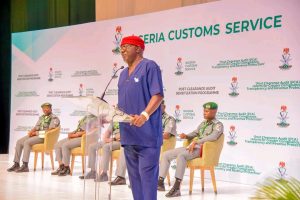
The Customs boss explained that the AEO framework relies on an advanced Post-Clearance Audit model aligned with the Revised Kyoto Convention and Article 7.5 of the World Trade Organisation (WTO) Trade Facilitation Agreement.
Under this model, post-release audit findings are systematically fed back into the Service’s automated risk-management engine. Compliant traders who qualify for AEO status enjoy fast-tracked physical clearance at the ports, while intelligence-driven audits identify potential compliance gaps after cargo has moved.
Adeniyi noted that the goal of the Service is to transition away from traditional port-gate policing toward a trust-based partnership with compliant operators. He urged the trading public to view the sensitisation drive as a channel to understand their rights and obligations under the AEO and PCA regimes before documentation errors turn into financial liabilities.
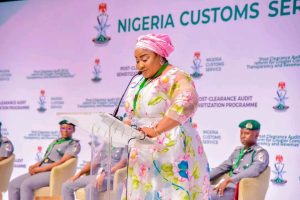
Underscoring the financial impact of trust-based customs administration, Assistant Comptroller-General in charge of Post-Clearance Audit, Babatunde Olomu, disclosed that voluntary compliance and targeted audit interventions yielded a significant revenue boost.
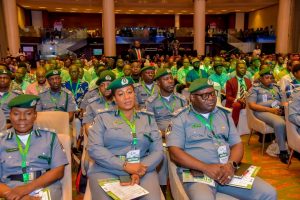
According to Olomu, the Service collected ₦26.2 billion between January and August 2026 through post-clearance audits—a 27.7% increase compared to the ₦21.3 billion generated during the corresponding period in 2025.
Representatives from the Manufacturers Association of Nigeria (MAN) and other commercial stakeholders commended the expansion of the AEO scheme, calling for continued collaboration between the private sector and Customs to widen fast-track privileges for compliant manufacturers and importers nationwide.