NSW Processes N17bn Revenue in 8-months, Targets Export Bottlenecks as Phase 2 Kicks off December 14th

By DAPO OLAWUNI
The National Single Window (NSW) Secretariat says it has processed more than 4,414 trade manifests and N17 billion in revenue in eight months for the National Agency for Food and Drug Administration and Control (NAFDAC), the Standards Organisation of Nigeria (SON), the Nigeria Agricultural Quarantine Service (NAQS) and other agencies.
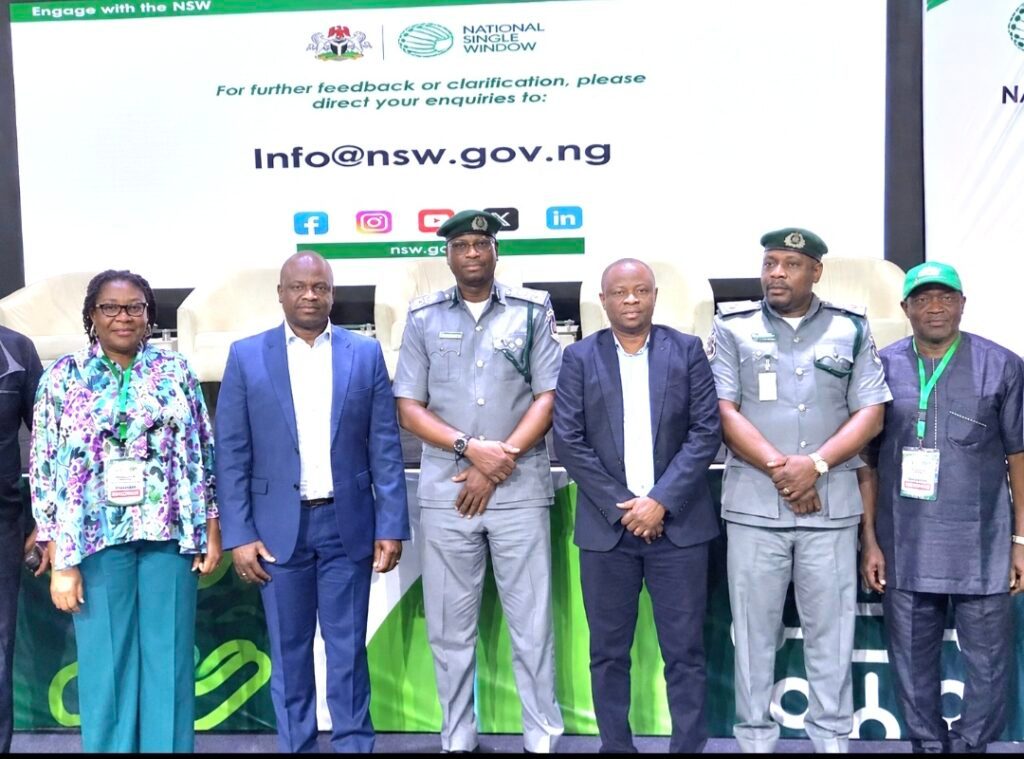
Tola Fakolade, Director of the NSW Secretariat, disclosed the figures on Tuesday in Lagos at a stakeholders’ engagement ahead of the second phase of the platform, which focuses on export operations and is scheduled to begin on 14 December.
He said the export phase will be rolled out gradually from the fourth quarter of 2026 into the first quarter of 2027, with additional government agencies and private-sector players coming on board.
The expansion is expected to simplify export documentation, cut regulatory delays and improve the efficiency of Nigeria’s cross-border trade.
Under Phase 2, the platform will handle export licences, certificates and permits; Forms NXP and NCX; export manifests from the Central Bank of Nigeria (CBN); Import Duty Exemption Certificates; free-trade-zone import and export permits; and payments for related licences, permits, certificates and other regulatory documents (LPCO).
Exporters will be able to start applications for registrations, licences, permits and certificates on a single digital portal. Submissions will be routed automatically to the relevant ministries, departments and agencies (MDAs) for review, inspection, approval and issuance. Payments will also be made through the platform.
Participating agencies and organisations will include the Federal Ministry of Industry, Trade and Investment (via FPIS and REX), SON, NAFDAC, the Nigerian Association of Chambers of Commerce, Industry, Mines and Agriculture (NACCIMA), the Nigerian Export Promotion Council (NEPC), NAQS, the CBN, the Nigeria Customs Service, the Federal Ministry of Livestock Development, the Federal Ministry of Marine and Blue Economy, the Nigeria Export Processing Zones Authority (NEPZA) and the Federal Ministry of Finance.
The Nigerian Ports Authority (NPA) and the Nigerian Maritime Administration and Safety Agency (NIMASA) are scheduled to join by the end of November 2026.
Fakolade also noted ongoing work to rationalise and harmonise Harmonised System (HS) codes across regulatory bodies and Customs, to make product classification more consistent. He said early implementation showed that some goods were being regulated by three or four agencies at once, creating duplication and extra compliance burdens for traders.
Benedict Itegbe, Deputy Director and Southwest Regional Coordinator of the NEPC, said the system would remove documentation bottlenecks, improve logistics and support the non-oil export sector.
He added that multiple submissions and fragmented processes have long hindered exporters, and that the NSW will let them complete transactions more easily.
According to him, the Council is working with the secretariat to migrate export procedures onto the platform and will use its nationwide support network to help exporters with registration and document uploads.
Representing the Comptroller-General of Customs, Frank Onyeka, Zonal Coordinator, Zone A, said the first phase’s adoption rate of over 95 per cent proved that Nigeria can successfully adopt digital trade tools.
He said integrating the platforms will reduce procedural delays, speed up cargo clearance and cut downtime, improving supply-chain efficiency.
Onyeka expressed confidence that Phase 2 will open new opportunities for exporters, boost non-oil revenue and strengthen Nigeria’s position in regional and global trade.
He added that the NSW aligns with Customs’ focus on collaboration, consolidation and innovation, including the Unified Customs Management System, B’Odogwu.