@3rd EHINGBETI: NIWA Calls for Investment In Inland Waterways to Power Local Coastal Communities
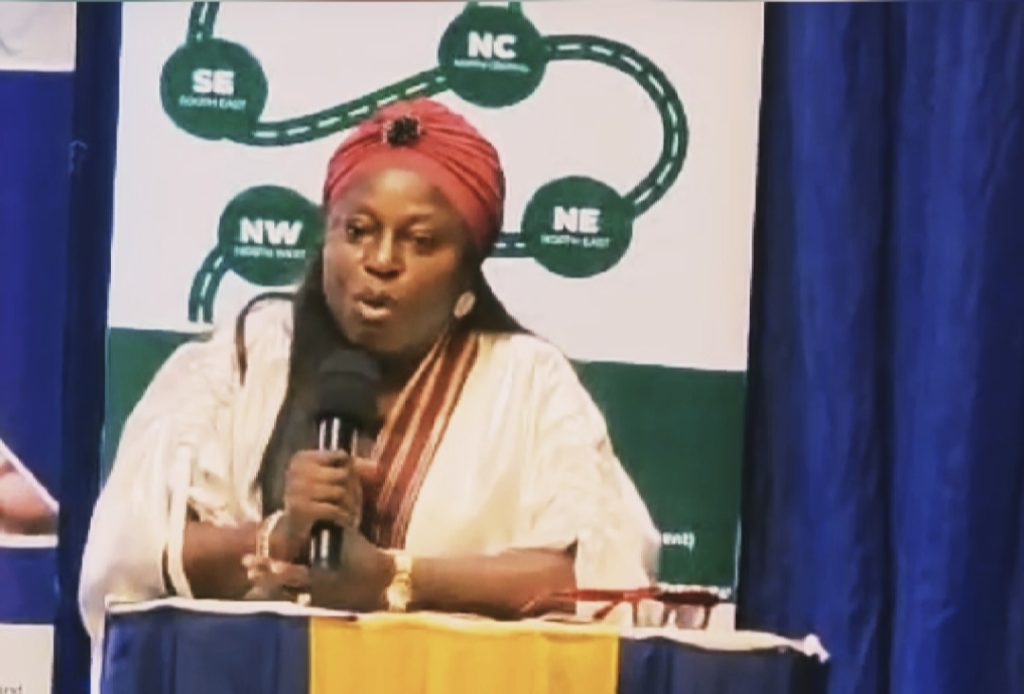
Lagos Area Manager of the National Inland Waterways Authority, Eng Sarat Braimah

By DAPO OLAWUNI
Engr. Sarat Braimah, Lagos Area Manager of the National Inland Waterways Authority (NIWA), has called on the Federal Government and private sector investors to significantly scale up investments in Nigeria’s inland waterways, stressing that such action is crucial to unlocking the nation’s blue economy potential and transforming the lives of millions in coastal communities.
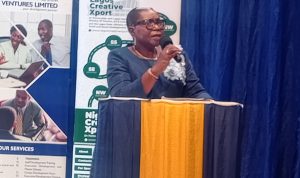
Speaking at the 3rd EHINGBETI Blue Economy Hub on Tuesday, Braimah stressed that waterways remain central to the economic and social livelihood of communities surrounded by water.

She noted that despite the enormous potential, Nigeria still lags behind global peers in harnessing its inland water resources for transport, trade, and local development.
“Inland waterways form the majority of what people do directly with the communities that are surrounded by water. There are a lot of potentials in inland waterways, and that is why the government of President Bola Ahmed Tinubu made a special ministry known as the Marine and Blue Economy Ministry,” she said.
Nigeria, according to Braimah, boasts 28 littoral states interconnected by navigable waters, with five West African countries accessible via its inland waterways. This geographical advantage, she said, presents a huge opportunity for inter-regional trade and sustainable transport — if backed by the right level of investment.
Comparing Nigeria’s slow progress with China’s rapid development, Braimah cited the Asian giant’s commitment to inland waterways investment as a model worth emulating.

“If you go to China today, they started investing in their inland waterways five years ago and you can see where they are today — it is what is making them popular in the whole world,” she remarked.
While commending the Tinubu administration for creating the Ministry of Marine and Blue Economy, Braimah emphasized that institutional frameworks alone are not enough.
“Beyond policies and seminars, we have to make the commensurate investment,” she insisted.
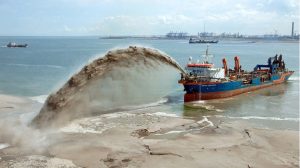
She called for targeted funding in critical infrastructure projects such as river dredging, port development, and navigational aids, describing them as capital-intensive but essential to economic transformation.
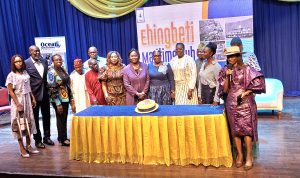
“Our leaders must not only invest in projects that can be seen immediately, but also in those that have lasting impact — like river dredging, which will open up communities, create jobs, and drive sustainable growth,” she added.
Also speaking at the event, Chairman of the ocassion, Major General Tajudeen Olanrewaju (Rtd), a former Minister of Communications, noted that Nigeria’s indigenous coastal communities remain sidelined and impoverished despite the country’s burgeoning maritime wealth.
The Retired General slammed the persistent neglect of these communities home to valuable local knowledge and manpower crucial for securing and developing the Blue Economy
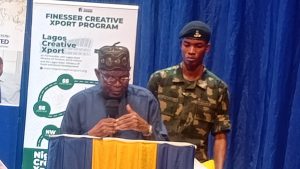
He condemned policies that exclude locals from economic gains, urging urgent reforms that prioritize inclusivity and poverty alleviation.
Highlighting the rich history of the Ehingbeti era, when coastal commerce thrived and powered Lagos’ prosperity, he stressed that today’s potential remains unrealized because indigenous voices are systematically ignored.
The General further voiced concern over the disenfranchisement of indigenous communities in coastal areas, stressing the need for government intervention to cater for the people as part of efforts to better the future of people living in those communities.
Olanrewaju noted that key objective of the forum was to advance an inclusive, people-centered approach to Lagos’ coastal development within the Blue Economy framework.
On her part convener of the 3rd Ehingbeti Blue Economy Hub, Mrs Violet Olaitan Williams advocated for sustainable development, that marks a significant milestone in Nigeria’s collective pursuit of harnessing the vast potential of ocean resources in a sustainable and inclusive manner.
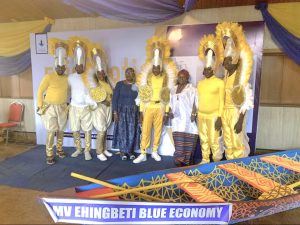
“As we gather here today, we do so with a deep sense of purpose and commitment to the development of our coastal communities.
“The theme of this year’s hub, “The Renaissance of Ehingbeti in Community Engagement and Inclusivity.” underscores the importance of engaging our coastal communities in the policy creation and implementation process over the past two editions, we have drawn valuable lessons from our history and heritage, and we have made significant strides in promoting the blue economy concept,”William stressed .
Speaking further she reiterated that ”The production of a well-received audio-visual documentary and a book on the historical significance of Ehingbeti within the contemporary blue economy are testaments to our commitment to this cause.”
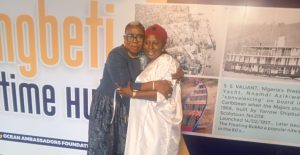
A senior Advocate of Nigeria (SAN), Mrs Jean Chiazor Anishere advocated for the creation of Ehingbeti water transportation service .
Anishere called on stakeholders to support the initiative, which according to her , will serve as a footprint for the indigenous people living in coastal communities.