Rail Cargo Transportation: ANLCA Apapa Chairman, Chukwumalu Cautions NRC Against Managerial Lapses
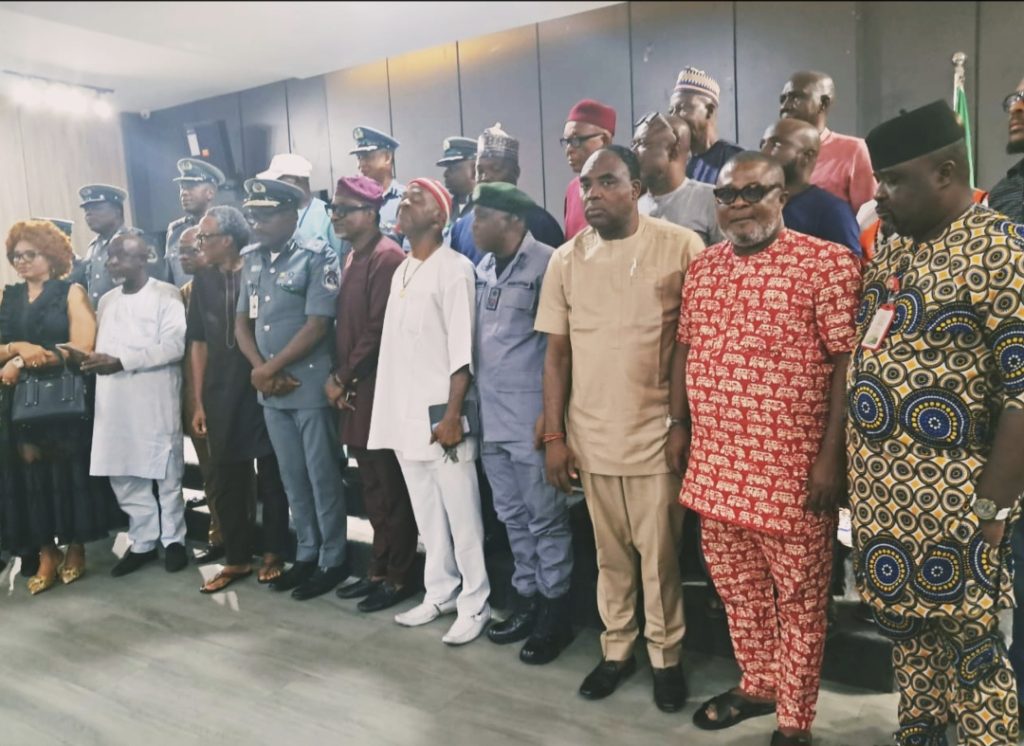
Chief Emeka Chukwumalu, Chairman of Apapa chapter of ANLCA (3rd from right) and other stakeholders in a group photograph with the Apapa Customs Controller, Compt Babatunde Olomu (7th from right) at a recent stakeholders engagement on how to optimise cargo movement from Apapa port via rail

Emeka Chukwumalu, Chairman of the Association of Nigerian Licensed Customs Agents (ANLCA), Apapa Chapter, has issued a strong call for improved management within the Nigerian Railway Corporation (NRC) in order to avoid past setbacks.
Chukwumalu’s comments is coming amidst ongoing discussions on how to improve evacuation of cargoes by rail at the Apapa port of Lagos.
Recall that the Customs Area Controller of Apapa Customs Command, Compt Babatunde Olomu on Wednesday held an engagement with the stakeholders on how to optimise cargo movement via rail.

The ANLCA Chairman submitted that optimal development and management of the rail system for cargo evacuation are paramount to realizing its full contribution to Nigeria’s economic prosperity, urging stakeholders to learn from past managerial lapses to ensure a more resilient and efficient future for the nation’s transportation infrastructure.
According to Chukwumalu who was part of the meeting, the NRC management under the current Managing Director, Dr Kayode Opeifa needs to draw experiences from the past challenges of the corporation.
The managerial problems plaguing the NRC included: Political appointments of unqualified managers. Lack of operational facilities and equipment, Poor revenue generation, Poor capital base, Insufficient government financial support and investment, and Inadequate manpower.
Chukwumalu, however, also highlighted the inherent advantages of rail transport, which, if properly managed, can significantly benefit the nation.
These advantages include the capacity to carry large volumes of goods and passengers, enhanced safety of goods, reduced susceptibility to accidents and attacks, and its environmentally friendly nature compared to other transport modes.
Conversely, the disadvantages of rail transport, such as inflexible routes and timetables, potentially higher costs than road transport, susceptibility to disruptions from mechanical failure or industrial action, and the need for further transportation from rail depots, underscore the importance of strategic planning and dedicated management to mitigate these drawbacks.
He said that the lack of dedicated cargo facilities and developed rail routes across the country also remains a significant challenge.
Chukwumalu’s statement reinforces the widely accepted view that the rail system, despite its past struggles, remains one of the most effective modes of transportation.