Olanrewaju, Oduntan Speak On Freight Forwarders’ Readiness As Customs Goes Digital

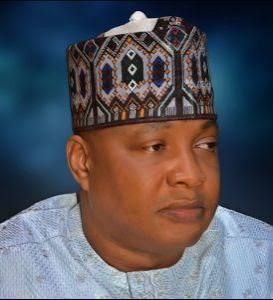
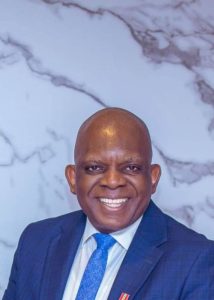
L-R: Aare Hakeem Olanrewaju, Customs Comptroller-General, Bashir Adewale Adeniyi and the National Vice President of ANLCA, Prince Segun Oduntan
By DAPO OLAWUNI
As the Nigeria Customs Service modernises its operations, coupled with the anticipated launch of the National Single Window by the Federal Government on March 27th 2026, questions are mounting over whether licensed freight forwarders are equipped to match the pace of change
Speaking with DAILY TREND on Monday on the sidelines of a stakeholders engagement on the modernisation of Customs licences, held at the Customs Training School Ikeja Lagos, Aare Hakeem Olanrewaju, former Chairman of the Council for the Regulation of Freight Forwarding in Nigeria (CRFFN), and Prince Segun Oduntan, National Vice President of the Association of Nigerian Licensed Customs Agents (ANLCA), painted a picture of where the profession stands.
Our correspondent reports that the Nigerian Customs Service is currently upgrading its infrastructure, digitising clearance processes, and these developments are piling pressure on freight forwarders to keep pace.
Speaking on the readiness of the practitioners, Aare Hakeem Olanrewaju noted that he was the first Nigerian to be trained at the World Customs Organisation’s Knowledge Academy in Brussels, even as he warned that existing training efforts within the industry are falling short.
He argued that the Nigeria Customs Service, not the freight forwarding associations, must take the lead in training of freight forwarders, and that training should be tied directly to licence renewal.

“The Federal Government has done well by giving us a regulatory Council in the CRFFN, the Customs have their WCO and their Training Schools. We as freight forwarders also need to have our own training institutes where we would be training and retraining,”

“If you want to see the freight forwarding sector improve, we have to train and retrain people”
“I was the first Nigerian to be trained at the Knowledge Academy in Brussels. Ten years ago, the WCO foresee that training the customs officers alone is not enough, and that was why they introduced the Knowledge Academy for us to attend. I have attended it, and I have been to various countries.
“If you ask the various freight associations, they would tell you that they are doing training, but that training is not enough. It is the customs that can mandate it. Training should be made mandatory for renewal of licences” he said
Olanrewaju expressed a generational concern on the future of the clearing profession, saying that “I am thinking about our unborn children coming into this profession and doing it differently”
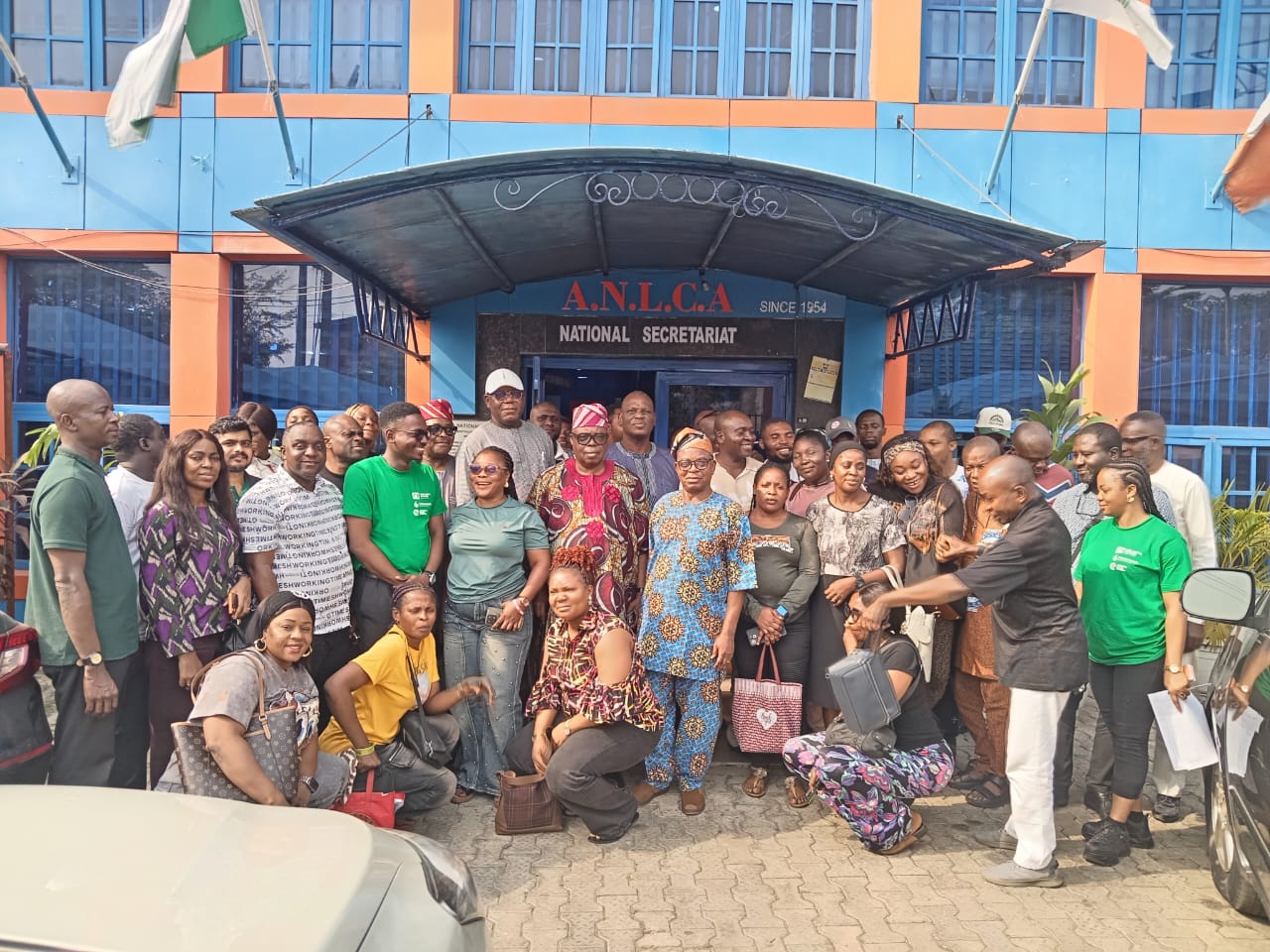
On his part, ANLCA Vice President, Prince Segun Oduntan struck a more confident tone. He told DAILY TREND that ANLCA has upgraded its secretariat with training facilities, and that the association is currently serving as a designated centre for the ongoing National Single Window training.
He also stated that as part of the association’s effort in upgrading its members, it recently sent delegates to a training programme in Senegal.
“Our level of measuring up with the customs in terms of training on modernisation is about 80 to 90 percent,” he said.
Oduntan also pointed to a changing demographic within the profession as evidence of its evolution, saying that, “Before now, there was a belief that clearing business is for illiterates, but today the narrative has changed.
“The Gen Z are now being encouraged to come in, there are young minds whose parents have transferred clearing licences to them and they are interested in the job,” he said.
The ANLCA top gun however acknowledged an outstanding challenge in the profession, which he described as the absence of a standardised fee structure for practising agents.
With cargo categories ranging from bulk goods to vehicles, Oduntan said ANLCA is engaging other associations with a view to establishing a benchmark before the middle of the year.