N9trn Customs Revenue Target Achievable, Says Ex-ANLCA Boss, Babatunde Mukaila
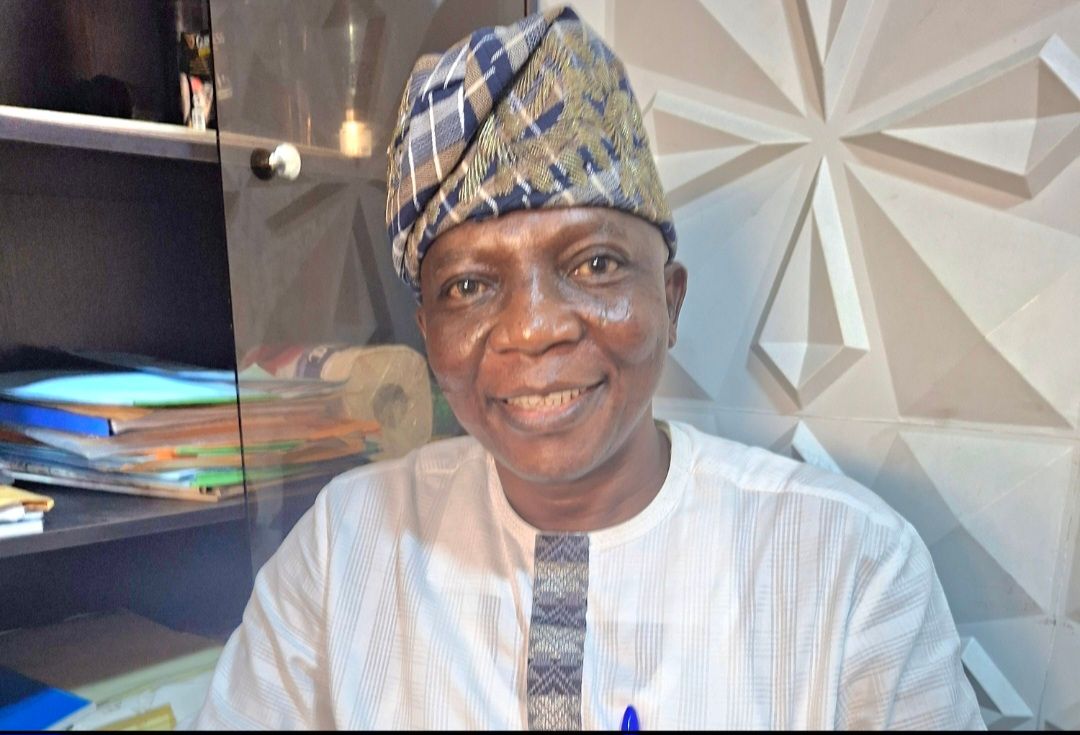
Otunba Babatunde Mukaila
—Backs Single Window, Ombudsman Reforms
By DAPO OLAWUNI
The Nigeria Customs Service’s N9 trillion revenue target for 2026 is not only realistic but could be surpassed, a former top official of the Association of Nigerian Licensed Customs Agents (ANLCA) has said, citing the country’s deep dependence on imports as a major revenue driver.
Otunba Babatunde Mukaila, immediate past Sole Administrator of ANLCA and a former National Secretary of the association, stated this in an exclusive interview with DAILY TREND, urging the Service to prioritise structure and dedication to hit its target.
“The N9 trillion revenue target set by Nigeria Customs Service for 2026 is achievable. If the Customs are ready to do what they need to do and put all the structures in place, they can get more than that.”

Mukaila anchored his confidence in Nigeria’s import-dependent economy, painting a vivid picture of how pervasive imported goods are in everyday Nigerian life.
According to him “We are not producing anything. Look around you, everything you see in this office is imported, from the drinks, even the plastic waters that we have, the wrap is imported. The only thing you can say you produce here is the water. And the chlorine that you use to purify it is imported. Your shirt is imported, your hand-chain is imported, the cream you are using is imported.”
For the target to be met, he said, the onus rests squarely on the Service. “The target is realizable. Customs just need to come, be dedicated, put up good structure, good structure that can make them realize that.”
Mukaila also weighed in on Nigeria’s long-anticipated National Single Window initiative, expressing cautious optimism while firing a pointed criticism at Customs’ tradition of rushing to launch platforms without adequate stakeholder consultation.
“We’ve been praying for the National Single Window over years. Now that there is political will to take us there, why not?” he said, adding that he was encouraged by the consultations surrounding the current implementation.
“There has been some consultation from the NSW secretariat and we are happy about the level of end user trainings that is ongoing across the country”
“The problem I have with Nigeria Customs Service, as much as they are willing to put their right foot forward, they don’t consult at the design stage. Their problem has been rush to launch. They always rush to launch.”
On the current Single Window process, Mukaila further expressed satisfaction, saying that “We are satisfied with the National Single Window, with the communication, the training. People are being trained, people are being talked to, nationally. That is the way to go. So any issue, any anomaly can be highlighted and then suggestions made.”
The former ANLCA chief said the Single Window holds transformative potential for port integrity and efficiency.
“With the National Single Window, we should expect reduction in corruption because the port is still riddled with corruption. Because Single Window means same entry, same outing. Everybody can see what is going on. So I expect reduction in the level of corruption, and I expect that the cargo throughput, the turnaround time will be faster. Processing time will be faster. There will be transparency, predictability, which is the core principle of WCO that Adeniyi is trying to teach.”
He also highlighted the accountability dimension the platform introduces for regulatory agencies. “When NAFDAC places an alert on the process, everybody can see it — and you need to tell us why. Before now, up to today, everybody put an alert on cargo and there is no reason for it. And the next person doesn’t even know that the man seated by his side has put an alert on the transaction. But now it is an open thing. You place it, we know you have placed it, everybody knows you have placed it.”
Beyond the Single Window, Mukaila also welcomed the creation of a trade ombudsman under the Nigerian Revenue Service Act, describing it as a long-overdue accountability mechanism for importers and agents.
“Up to today, there is nobody you can report any government agency to. But now, when you believe you have been given abnormal taxation in the form of duty, you go to the ombudsman. So we have somewhere to report to now. The ombudsman is about taxation, and that fits squarely with customs processes.”