PAPERLESS OPERATIONS: Comptroller Onyeka Courts Maritime Press, Positions Tin Can Command as Trade Enabler

Compt Frank Onyeka
By DAPO OLAWUNI
The Area Controller of Tin Can Island Port Command, Comptroller Frank Okechukwu Onyeka, has signalled a new era at one of Nigeria’s busiest gateways, declaring that he is fully prepared to champion the Nigeria Customs Service’s historic shift to 100% paperless operations.
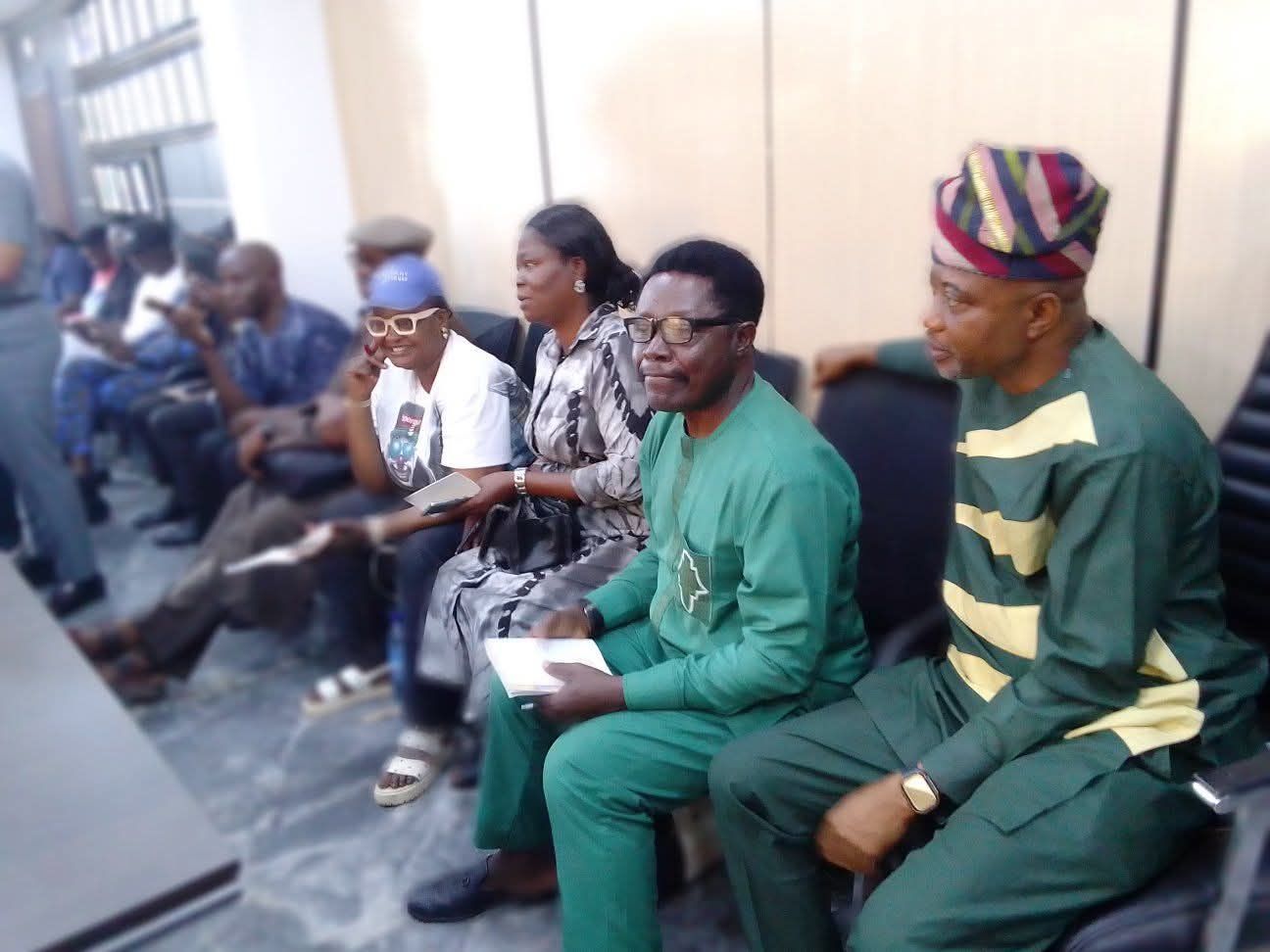
Speaking during an exclusive engagement with maritime journalists, Onyeka said the meeting marked the first step in a deliberate stakeholder-sensitisation drive ahead of the Service’s planned second-quarter rollout of the digital regime.
“When I resumed here, you supported me through constructive reportage. I am here again to seek your continued collaboration to ensure the success of the paperless regime,” he said.
The Comptroller revealed that the Tin Can Command generated ₦609 billion in 2025, adding that early figures for 2026 point to strong momentum.
The command collected ₦145 billion in January alone — up from ₦116 billion in the same month last year, representing a year-on-year increase of ₦29.9 billion.
Setting the tone for the year ahead, Onyeka announced a fundamental shift in the command’s operating philosophy.

“We want to do things differently. We want to be known as trade enablers,” he said.

Under the paperless regime, he explained, the Service aims to release containers with zero physical contact between Customs officers and clearing agents, a move expected to drastically reduce delays, human interference, and port bottlenecks. Clearance time for goods is projected to drop to 48 hours or less.
Onyeka credited Comptroller-General Bashir Adewale Adeniyi as the driving force behind the ambitious reforms, while expressing personal commitment to the mission.
“I want to be known as a trade facilitator personified,” he said.
While acknowledging the possibility of occasional network disruptions during the transition, Onyeka assured that officers at the command are not only prepared but deeply committed, describing them as “serious and proactive.”
He also moved to address concerns about potential system manipulation, reaffirming that the Service now operates with globally compliant processes and a new generation of properly trained officers. He expressed strong confidence in B’Odogwu — the indigenous digital platform that will anchor the transformation — saying it is designed to reinforce transparency and accountability.
Dismissing fears that the digital switch could trigger cargo congestion, Onyeka argued the opposite: that the transition would accelerate clearance processes and significantly reduce port dwell time.
He also took the opportunity to thank the media for their consistent, responsible coverage, noting that constructive reportage had contributed meaningfully to the command’s performance and public image.
“The media has helped promote our initiatives, and we value that partnership,” he said.
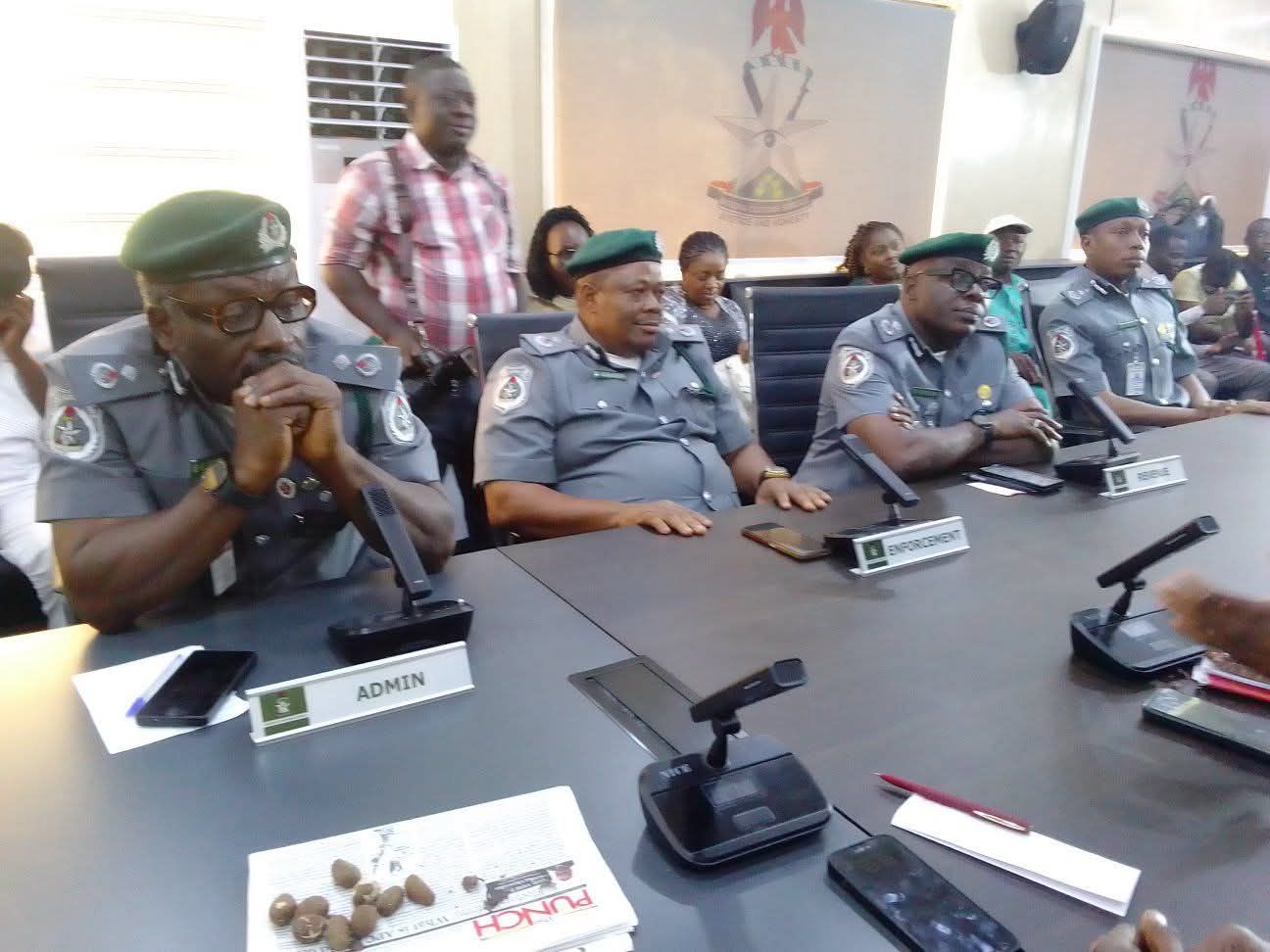
The Tin Can Island Port Command, a major contributor to Nigeria’s Customs revenue, is positioning itself as a national model for digital trade facilitation — with Onyeka’s leadership and the CG’s reform agenda driving the charge.